by: Aiden Zapora
There are lots of different ways to have fun. A lot of what you choose depends on where you are in life, old or young. Today's youth enjoy computer-based gaming. There are many choices. Some of the games can be expensive, and gaming firms are getting a large portion of the spending money of the kids purchasing the games. Luckily, there are also a lot of freeware games. Game enthusiasts have made this a popular, and much cheaper, alternative for kids. A kid can download the game and play it with no charges involved.
So what's in it for the people who put these games online for free? Most of these individuals are enthusiastic gamers who simply love to develop and produce new and exciting games. Freeware is simply a way for them to get their product out there are share it with likeminded others. It's sort of an "open mic night" for video games.
Furthermore, freeware games often serve as a means to display their grudges against the developers of proprietary games. Say if a gaming enthusiast believes that some feature of a popular proprietary game is not up to the mark, he will try to build a game with similar objective and playing rules with the improved feature that was missing in the original proprietary game.
There is no dearth of variety in freeware games. You can choose a freeware game from adventure online games (http://www.letsplaygamesnow.com/), shooting online games, driving games online (http://www.letsplaygamesnow.com/tag/driving-games-online), strategic games online etc. Lately, there has been considerable variety of games within these broad groups.
Freeware games (http://www.letsplaygamesnow.com/tag/freeware-games) are often supported by the existence of pay-per-click ads. Usually freeware sites will feature a few advertisements, and if they are clicked, the site owner gets a small amount of money in return. At the end of a specified period, the dollar amount of all the clicks is tabulated and the owner is presented with his payment.
Until recently, freeware games were not concentrated on creativity and novelty. On the other hand, there have been drastic changes lately. These days one can take part in role playing games with a huge number of participants at no charge. One can also create one's own simulation inside the online worlds. There is an infinite range of possibilities.
Showing posts with label Games. Show all posts
Showing posts with label Games. Show all posts
Tuesday, January 13, 2009


Friday, September 19, 2008
Game Development
Story Bible Example
by: Sebastian Gross
The bible deals exclusively with story and its elements. While the design document guides the creation of the entire gaming experience, the bible controls the game’s interactive screenplay.
Log Line
Let’s say we’re working on a game titled “Hangnail,” the latest game inspired by Quake. Hangnail’s bible would include a “treatment” or synopsis of the game’s story. That treatment should include one- or two-sentence reviews of the story’s beginning, middle, and end. In some cases, the treatment could go into greater detail, stretching from one page to 20 or more, if the designer or game writer chose to really flesh out the story in the design stage. If the game’s narrative is truly based on cinematic story construction, the story might include first, second, and third act reviews. Leave those bits to your writer—we waste hours worrying about that act-structure nonsense. At the very least, the synopsis should include a “log line,” or a brief review of the game’s story, like this:
Hangnail:
Synopsis: A big, tough guy with heaps of muscles and a heart of gold walks through mazes and kills lots of stuff to battle evil, find his boxed lunch, and save the future of humanity…at least until the sequel comes out.
Characters
The second portion of the bible would include character reviews. The most important component of any effective narrative, whether it’s in a game, a movie, a TV show, or a novel, is good characters. They should have well-rounded histories and solid motivations. Most importantly, they should be clearly drawn out so anyone who reads the bible or works on the game sees the same person in their minds. If a writer or designer creates a game revolving around a Schwarzenegger-type action hero and fail to describe his all-American, psychopathic personality, the artist or renderer could end up drawing Marv Albert. Here’s what our character bible would say about Hangnail’s protagonist:
Character Name: Dirk Squarejaw
Age: Late 20s
Appearance: Ruggedly handsome and in the kind of impossibly good shape that you’d need to spend 25 hours a day in a gym to achieve.
Equipment: Death Ray of Death, Grenade of Severe Owies, Swiss Army Knife of Animosity, Pulse Cannon of Mild Mood Swings.
Attributes: Wonderfully and relentlessly violent. With an overdeveloped sense of honor. Dedicated to saving all life on Earth, or at least all attractive women on Earth. He enjoys painting in splattered blood, rainy days, long walks on the beach, thermonuclear devices, and backgammon.
Background: Orphaned at birth and raised by wolves, Dirk was rescued by nuns at the age of 4. The nuns instilled in the young Dirk his sense of honor and his bizarre obsession with backgammon. When the evil villain, General Payne, destroyed the nuns’ village to hijack all their dice, Dirk set out on his lifelong quest to end evil around the world. He will never rest until Payne is defeated, peace and justice restored, and double sixes rolled everywhere.
All the information in the character description above could be distilled into one long paragraph entry, if the designer chooses to limit the length or the scope of the bible. However, every character in the game (even supporting players) should be presented in this same detail.
Such enriching character sketches can provide inspiration when planning game maps or missions (depending on the game’s genre). For example, in Hangnail’s case, given Dirk’s devotion to backgammon, the designer could construct a maze or a level in which the objective is to slaughter all of General’s Payne’s agents to recover their ill-gotten dice.
Character description and background is one area where a story bible can really enrich an interactive game. If the bible can draw out a game’s central character with convincing depth and detail, the production can present an interesting and exciting person around which you can build a game and story.
In some cases, the player becomes that character. In other games, the player merely guides an already existing character. In either case, the story bible can outline what the main characters wants! That’s the key. The entire game story should be built around what the main character or hero wants and needs. Once that is pinpointed (be it the damsel in distress, a magic amulet, or the enemy capital), a designer can build an entire game around that quest. Battles in the cold reaches of space. Races through monster-filled mazes. Puzzle-solving through a haunted library. Anything that makes the game more entertaining can stand between the hero and the goal. But, the goal must be clear, ever-present, and motivated. The story bible can help a design team do that.
In another example, if Dirk was scared of water because his wolf parents couldn’t swim, the designer might wish to create an underwater level and cause Dirk’s air supply to disappear quickly because he hyperventilates too easily.
Using a methodology like this, in which you define the background, attributes, age, appearance, and equipment of a character, can help ensure truly motivated and enjoyable characters and gives the design team ideas for gameplay. A game’s characters need to be compelling. If the player becomes a hero in the game, that hero must be attractive enough that the player wants to assume that persona. A game villain should be rotten enough that the player generates genuine passion and satisfaction from defeating him or her.
An essential rule of thumb states that every character, even the most incredibly butch of heroes, needs to have weaknesses or shortcomings. If a character seems too omnipotent and has every skill imaginable down pat, no player will believe he or she could possibly lose or die. You don’t have to make your hero or heroine a simpering wimp, but don’t make them invulnerable. Even Superman has his kryptonite.
In the final document, Dirk’s bible entry might include an artist’s sketch (if created early in the game development process) or a 3D rendering (if created farther along in the development process) which might also be the actual avatar used in the game if the product makes it that far along.
To digress for just a moment, I have approached the use of game bibles for story development solely from the perspective of the hero thus far. Lately, games such as Bullfrog’s Dungeon Keeper and LucasArts’ Dark Forces II have made it possible for players to assume the role of the villain. However, that doesn’t turn the narrative rule on its ear—the same guidelines still apply. A villain also has wants and needs. In the best possible scenario, the bad guy wants exactly the same thing as the hero. In drama and writing courses, that’s called the “Law of Conflicting Need.” A good story (and therefore a good game, if it has story components) has a protagonist and an antagonist wanting the same thing for perfectly opposite reasons. We usually want the hero to get to that goal before the villain. However, in games where we become the villain, we assume the motivations of the villain. The bible should outline the history, personality, and motivation of the bad guy as well as the hero. That way, if we become the antagonist in gameplay, it works just as well if we had chosen the hero’s role.
by: Sebastian Gross
The bible deals exclusively with story and its elements. While the design document guides the creation of the entire gaming experience, the bible controls the game’s interactive screenplay.
Log Line
Let’s say we’re working on a game titled “Hangnail,” the latest game inspired by Quake. Hangnail’s bible would include a “treatment” or synopsis of the game’s story. That treatment should include one- or two-sentence reviews of the story’s beginning, middle, and end. In some cases, the treatment could go into greater detail, stretching from one page to 20 or more, if the designer or game writer chose to really flesh out the story in the design stage. If the game’s narrative is truly based on cinematic story construction, the story might include first, second, and third act reviews. Leave those bits to your writer—we waste hours worrying about that act-structure nonsense. At the very least, the synopsis should include a “log line,” or a brief review of the game’s story, like this:
Hangnail:
Synopsis: A big, tough guy with heaps of muscles and a heart of gold walks through mazes and kills lots of stuff to battle evil, find his boxed lunch, and save the future of humanity…at least until the sequel comes out.
Characters
The second portion of the bible would include character reviews. The most important component of any effective narrative, whether it’s in a game, a movie, a TV show, or a novel, is good characters. They should have well-rounded histories and solid motivations. Most importantly, they should be clearly drawn out so anyone who reads the bible or works on the game sees the same person in their minds. If a writer or designer creates a game revolving around a Schwarzenegger-type action hero and fail to describe his all-American, psychopathic personality, the artist or renderer could end up drawing Marv Albert. Here’s what our character bible would say about Hangnail’s protagonist:
Character Name: Dirk Squarejaw
Age: Late 20s
Appearance: Ruggedly handsome and in the kind of impossibly good shape that you’d need to spend 25 hours a day in a gym to achieve.
Equipment: Death Ray of Death, Grenade of Severe Owies, Swiss Army Knife of Animosity, Pulse Cannon of Mild Mood Swings.
Attributes: Wonderfully and relentlessly violent. With an overdeveloped sense of honor. Dedicated to saving all life on Earth, or at least all attractive women on Earth. He enjoys painting in splattered blood, rainy days, long walks on the beach, thermonuclear devices, and backgammon.
Background: Orphaned at birth and raised by wolves, Dirk was rescued by nuns at the age of 4. The nuns instilled in the young Dirk his sense of honor and his bizarre obsession with backgammon. When the evil villain, General Payne, destroyed the nuns’ village to hijack all their dice, Dirk set out on his lifelong quest to end evil around the world. He will never rest until Payne is defeated, peace and justice restored, and double sixes rolled everywhere.
All the information in the character description above could be distilled into one long paragraph entry, if the designer chooses to limit the length or the scope of the bible. However, every character in the game (even supporting players) should be presented in this same detail.
Such enriching character sketches can provide inspiration when planning game maps or missions (depending on the game’s genre). For example, in Hangnail’s case, given Dirk’s devotion to backgammon, the designer could construct a maze or a level in which the objective is to slaughter all of General’s Payne’s agents to recover their ill-gotten dice.
Character description and background is one area where a story bible can really enrich an interactive game. If the bible can draw out a game’s central character with convincing depth and detail, the production can present an interesting and exciting person around which you can build a game and story.
In some cases, the player becomes that character. In other games, the player merely guides an already existing character. In either case, the story bible can outline what the main characters wants! That’s the key. The entire game story should be built around what the main character or hero wants and needs. Once that is pinpointed (be it the damsel in distress, a magic amulet, or the enemy capital), a designer can build an entire game around that quest. Battles in the cold reaches of space. Races through monster-filled mazes. Puzzle-solving through a haunted library. Anything that makes the game more entertaining can stand between the hero and the goal. But, the goal must be clear, ever-present, and motivated. The story bible can help a design team do that.
In another example, if Dirk was scared of water because his wolf parents couldn’t swim, the designer might wish to create an underwater level and cause Dirk’s air supply to disappear quickly because he hyperventilates too easily.
Using a methodology like this, in which you define the background, attributes, age, appearance, and equipment of a character, can help ensure truly motivated and enjoyable characters and gives the design team ideas for gameplay. A game’s characters need to be compelling. If the player becomes a hero in the game, that hero must be attractive enough that the player wants to assume that persona. A game villain should be rotten enough that the player generates genuine passion and satisfaction from defeating him or her.
An essential rule of thumb states that every character, even the most incredibly butch of heroes, needs to have weaknesses or shortcomings. If a character seems too omnipotent and has every skill imaginable down pat, no player will believe he or she could possibly lose or die. You don’t have to make your hero or heroine a simpering wimp, but don’t make them invulnerable. Even Superman has his kryptonite.
In the final document, Dirk’s bible entry might include an artist’s sketch (if created early in the game development process) or a 3D rendering (if created farther along in the development process) which might also be the actual avatar used in the game if the product makes it that far along.
To digress for just a moment, I have approached the use of game bibles for story development solely from the perspective of the hero thus far. Lately, games such as Bullfrog’s Dungeon Keeper and LucasArts’ Dark Forces II have made it possible for players to assume the role of the villain. However, that doesn’t turn the narrative rule on its ear—the same guidelines still apply. A villain also has wants and needs. In the best possible scenario, the bad guy wants exactly the same thing as the hero. In drama and writing courses, that’s called the “Law of Conflicting Need.” A good story (and therefore a good game, if it has story components) has a protagonist and an antagonist wanting the same thing for perfectly opposite reasons. We usually want the hero to get to that goal before the villain. However, in games where we become the villain, we assume the motivations of the villain. The bible should outline the history, personality, and motivation of the bad guy as well as the hero. That way, if we become the antagonist in gameplay, it works just as well if we had chosen the hero’s role.
Tuesday, February 12, 2008
The Sims: Castaway Stories
Publisher: Maxis
Developer: EA Games
Genre: Simulation
Have you ever thought of being deserted in an uninhibited island? What would you do if you were in that island? Trying to survive and find a way to get back to civilization? In this series of The Sims, Castaway Stories, you can live that experience The Sims’s way. The Sims: Castaway Stories is the third series of The Sim Stories after The Sims: Life Stories and The Sims: Pet Stories. This is a stand alone game so you don’t have to install the previous series to play it.
In The Sims: Castaway Stories, there are two mode of game that you can choose. In Story mode, you will be deserted in an empty island and you have to find a way to get out of that island. You will play six Sims characters who have to work together to get a chance to enjoy the day after tomorrow. It seems scary, isn’t it? In The Sims: Castaway Stories living in the wild life is not a frightening thing. To survive you can explore three different islands in 24 different chapters. You will have to find a place to stay and to look for food.
You will also have a chance to encounter wolves and even adopt an orangutan. The most interesting part here is that you can use this monkey as a servant to help you do your daily work. To increase the level of game variation, you can fish and make item. You will be rewarded if you can complete tasks given to you in each chapter.
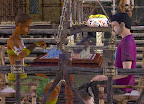
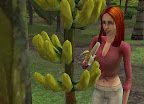
Now if you miss the never ending game play, The Sims: Castaway Stories also provides you free play mode. In this mode, you can build your home and live happily ever after in the island. Below is a few screenshots of the game.


Source: Omega magazine, volume 49
Image Source: aims.yahoo.com
Developer: EA Games
Genre: Simulation
Have you ever thought of being deserted in an uninhibited island? What would you do if you were in that island? Trying to survive and find a way to get back to civilization? In this series of The Sims, Castaway Stories, you can live that experience The Sims’s way. The Sims: Castaway Stories is the third series of The Sim Stories after The Sims: Life Stories and The Sims: Pet Stories. This is a stand alone game so you don’t have to install the previous series to play it.
In The Sims: Castaway Stories, there are two mode of game that you can choose. In Story mode, you will be deserted in an empty island and you have to find a way to get out of that island. You will play six Sims characters who have to work together to get a chance to enjoy the day after tomorrow. It seems scary, isn’t it? In The Sims: Castaway Stories living in the wild life is not a frightening thing. To survive you can explore three different islands in 24 different chapters. You will have to find a place to stay and to look for food.
You will also have a chance to encounter wolves and even adopt an orangutan. The most interesting part here is that you can use this monkey as a servant to help you do your daily work. To increase the level of game variation, you can fish and make item. You will be rewarded if you can complete tasks given to you in each chapter.
Now if you miss the never ending game play, The Sims: Castaway Stories also provides you free play mode. In this mode, you can build your home and live happily ever after in the island. Below is a few screenshots of the game.

Image Source: aims.yahoo.com
Subscribe to:
Posts (Atom)